
My 2025 reading year
I read 98 books this year. What made me pick them up? I have some thoughts.

“Is this the most autistic thing I’ve ever done?” I asked my husband, as I started my second day of holidays compiling this list.
“Probably,” he said, then kissed me on the forehead and went back to the cricket.
I started this because I abandoned GoodReads this year, thinking I would instead record my reading in a notebook. But I only did it for two and a bit months. And I liked knowing what I’d read, so I took my laptop around the house and examined my bookshelves.
And once I started thinking about it, I wondered what had prompted me to actually read all these books. So, I recorded that too.
I’ve listed these books in rough order of when I read them, rather than in order of liking. And I haven’t included books I started but didn’t finish. I’ve written a lot about some books I didn’t like, and very little about some I loved. And after I’d taken the below photograph and put all the books away, I kept thinking of books I should have included. Ootlin! The Inheritors! Brave New Humans! Oh, well.
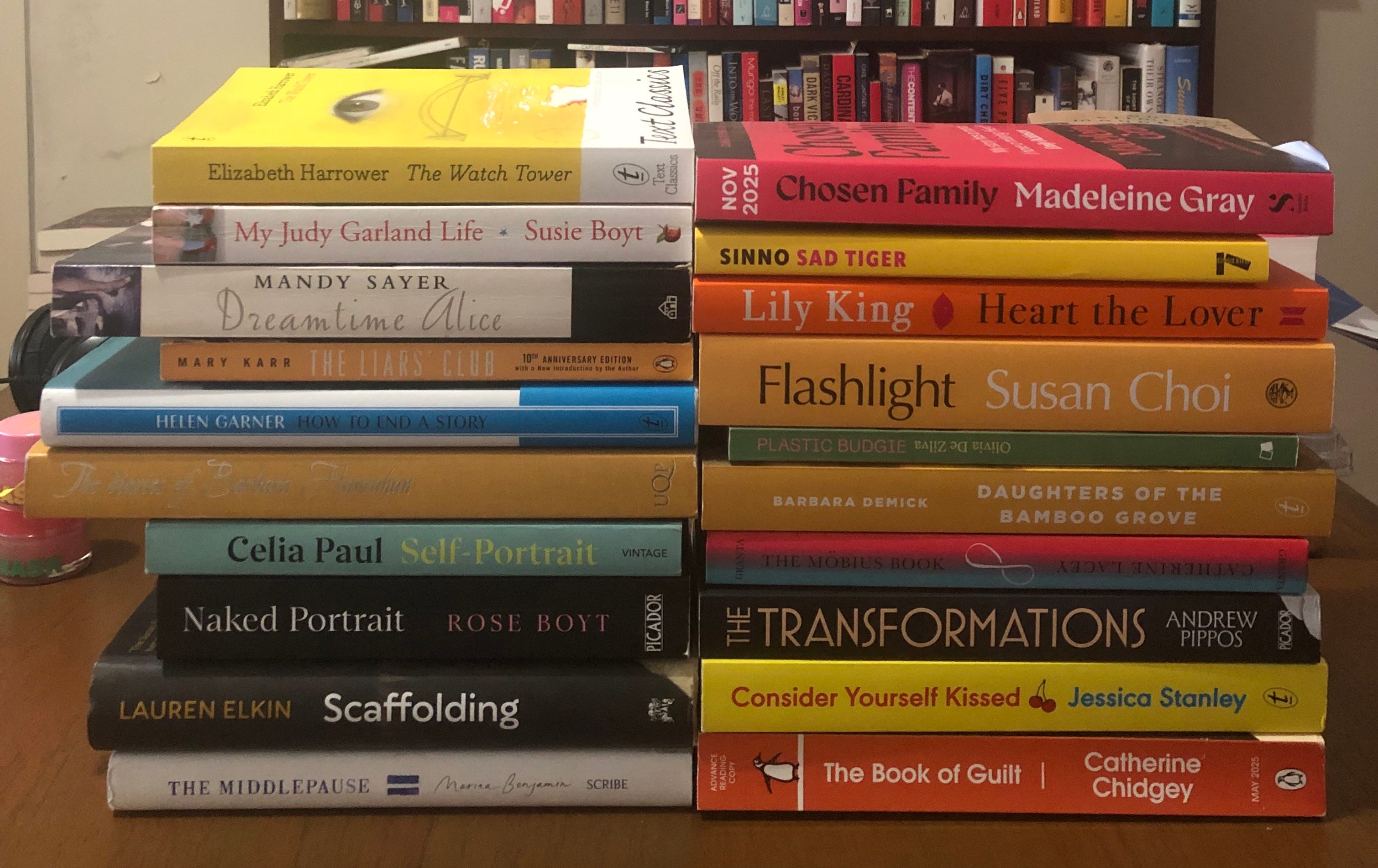
Above: my top ten books of 2025 across two categories: new this year (right) and overall (left).
Roughly half (47) of the books I read were published in 2025: I always feel like I should be reading new things, for work reasons. (My day job is Books & Ideas senior deputy editor for The Conversation.)
A whopping 85%-ish (85) of the books I read were by women. Utterly unplanned!
Roughly a third (28) of the books I read were inspired by reading reviews or hearing radio interviews. Roughly 10% were prompted by social media (11) and word of mouth (11). I realise this probably makes me unusual: I read a lot of reviews. And I hear about a lot of new books early, meaning word of mouth is less important. To be honest, I also know what I like to some extent, so though I love getting recommendations, I’m picky about which books I’ll read through them – I always have a huge to-read pile competing with new discoveries.
Nearly 15% of the books I read (14) were discovered, at least in part, through bookshops – chief among them, my local bookshop Imprints. (Either a bookseller recommended them, or I had been thinking about reading them, but only actually bought them because I saw them displayed in a bookshop.) I read five books (around 5% of what I read) because I knew the author – though I’ve bought and intended to read more for that reason, so had expected that number to be higher. I read nearly two thirds (66) of my books this year because I knew of the author: either I liked their previous work, had always meant to read them, or was otherwise drawn to the book by their name and reputation.
Sixteen books were re-reads (at least half of those for work/writing reasons).
I also read a lot of books to write about them … and only ended up actually writing the thing a fraction of the time. (I was going to write an essay about books about money, and another about the women around Lucian Freud, for instance.)
I can’t imagine anyone will read this whole thing … but if you want to flick through and read my notes on the books you’re curious about, go for it!
JANUARY
Scaffolding - Lauren Elkin (fiction)
Why I read it: I bought it at my local bookshop, after seeing it recommended and reviewed. Author was to be at Adelaide Writers Week, though she dropped off the list.
Verdict: Extraordinary! This intricately imagined 2024 novel set in one apartment on the outskirts of Paris between two time periods, both thematically and actually anchored in psychoanalysis, is perhaps my favourite book I read this year. Centred on two couples living in the same apartment nearly 50 years apart, its themes include feminism, relationships, fidelity, freedom and cycles of behaviour. And it is literally scaffolded by the metaphors of cycles and rebuilding. (There is a scaffold on the apartment building in the contemporary time period; in both, the apartment is being renovated.) One character cites Freud: “we have to re-live earlier obsessions … for them to lose their power over us”. She also reflects on Lacan’s idea of the importance of “what we don’t articulate to ourselves – what continues to throb on, in the depths of our consciousness, that we instinctively know we can leave there, that it does better work there”. This idea of unknowing, in the sense of leaving truths unarticulated alongside deep, felt knowledge that thrums below the surface, is central. I was unsurprised to learn this author has translated Simone de Beauvoir. Elkin’s forensic dissection of what it is to be a constructed person in the world, wielding intellect and instinct as tools, reminded me of reading de Beauvoir as a young woman. Will definitely re-read with relish.
The Morningside - Tea Obreht
Why I read it: I interviewed her for Adelaide Writers Week, and said yes to doing this because I had fond memories of her debut, The Tiger’s Wife.
Verdict: Gorgeous speculative literary fiction that combines Obreht’s family’s experiences as refugees from the Balkans with climate change concerns, mythical qualities and biting comment. It absolutely enchanted me with its stunning poetic prose, and has lingered with its vision of a half-drowned future world, depleted by wars and climate change, sustained by hope and community even while it’s also marked by corruption and hypocrisy.
Datsun Angel - Anna Broinowski
Why I read it: I interviewed the author at Adelaide Writers Week; I’d also read a great review of it published by my workplace, The Conversation, and already wanted to read it.
Verdict: I loved the way Anna explored class, gender, power, insecurity and coming of age through her university and road-trip diaries, with anecdotes ranging from pilfering Germaine Greer’s necklace to surviving kidnapping and sexual assault by truck drivers while hitchhiking. She writes: “I resolved to do something with my road-trip diary one day; to claw some space back from the macho artists and literary pantsmen and bellicose, cock rockers who’d monopolised our generation’s voice.” Mission achieved!
Diving into Glass - Caro Llewellyn
Why I read it: I’d long meant to: she’s an Australian publishing figure who was born in Adelaide. I bought it at my local bookshop on a visit where I couldn’t see any new releases I wanted.
Verdict: I lost myself in this story of Llewellyn’s parents, a nurse turned poet and a quadraplegic polio survivor turned disability activist. But I was initially drawn to reading about her own experiences working in the literary world, running writers’ festivals in Sydney and New York, working with Salman Rushdie, and her intense close relationship with Philip Roth and mad affair with a famous unnamed writer. In another layer, she rages against and learns to live with her own disability, multiple sclerosis. The psychological undercurrents and personal wrestles with self are especially intriguing.
Ecology of Fear - Mike Davis
Why I read it: I had commissioned an author to write about it due to a chapter on fire in LA, had had a copy on my shelves and meant to read for over a decade. I loved Davis’ classic 1990 history of LA, City of Quartz.
Verdict: I was enthralled by this book, which I mostly read poolside in Adelaide (which Davis mentions as sharing a “Mediterranean climate” with Los Angeles while the LA fires were raging. He’s an incredible writer, and tells an arresting story of how humans – and a history of development that ignores and even seems to goad its unique environment – have exacerbated the inherent risks of living in southern California. I learned about a history of “grizzly-bear-versus-bull combats”, overlooked tornado hot-spots, a history of pre-settlement fire management and Malibu’s “lethal mixtures of home-owners and brush”, very like the Adelaide Hills.
The Thrill of It – Mandy Beaumont
Why I read it: I was sent a copy and thought it was a terrific premise. I’d also heard good things about the author.
Verdict: I enjoyed the way she riffed off real-life events (the murder of wallpaper design diva Florence Broadhurst, potentially linked to Sydney’s “Granny Killings”) to create a fictional world and explore misogyny.
Please Explain - Anna Broinowski
Why I read it: Adelaide Writers Week, and I had always meant to read it – the proof copy had been on my shelves for years.
Verdict: I finished it, and immediately hunted down and watched the accompanying documentary Anna made, of her on the road with Pauline Hanson as she campaigned to be re-elected after a long stint in the wilderness. It’s fascinating, revealing and a bit scary, and shows how Hanson – whose say-anything brash populism pre-empted Donald Trump’s – still appeals to many Australians who feel left out, looked over or pushed aside by progressive politics and multiculturalism. Well worth reading to understand our current moment.
Same River Twice: Putin’s War on Women - Sofia Oksanen
Why I read it: I was interviewing the author at Adelaide Writers Week; I said yes to the session because I wanted to read on this topic.
Verdict: It was so interesting and enlightening to read a take on Putin’s Russia from an Eastern European perspective; the region has been colonised by Russia, on and off, for centuries. Under Putin, Sofi devastatingly argues – marshalling history, research, reportage and personal stories – misogyny has become foundational to the state’s power. She uses her novelist’s toolbox to make the war in Ukraine and her own family’s history of Soviet occupation viscerally real. She also explains why the far right now leans towards Russia, rather than the left as in the past. Russian misinformation manipulates a country’s preexisting lines of division – and while the Soviet Union used to befriend left-wing feminists in the West, using the more attractive tenets of communism, Russia now supports misogynists and homophobes.
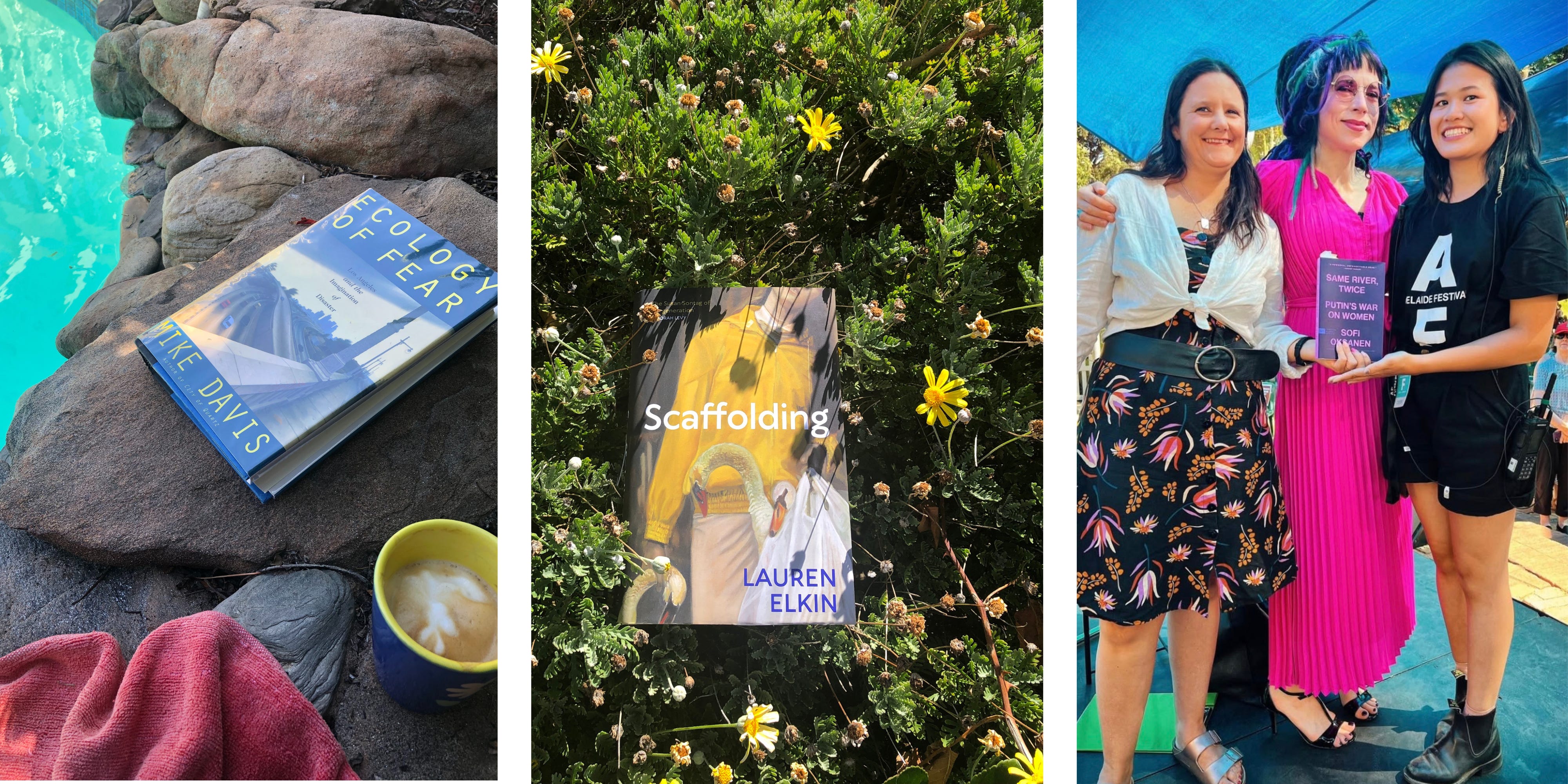
Right: Me, Sofi Okansen and a lovely Adelaide Writers Week volunteer.
FEBRUARY
Room to Dream - David Lynch (third time)
Why I read it: To write an essay on David Lynch, which was published in Splinter journal’s second issue, and extracted in InReview.
Verdict: I love this book so much. It’s such an innovative way to do a biography: the chapters are interspersed; Lynch writes one, then his biographer, Kristine McKenna, writes the next in response (including interviews with relevant people in his life and work). So, he leads the project, and his voice is foregrounded, but we also get a traditional biography in between. The result is a pleasure to read.
Sea Green - Barbara Hanrahan
Why I read it: I bought this book at its launch, to support new Adelaide publisher Pink Shorts Press. And I had always meant to read Barbara Hanrahan.
Verdict: Gorgeous, intricate, dreamy prose; occasionally catty and often subversive. An evocative coming-of-age account about an artist’s sea journey from Adelaide, Australia to London in the 1960s, including her awkward, confused first sexual encounters and a conflicted, intense female friendship with her cabinmate on the journey.
The Black Album – Hanif Kureshi (second time)
Why I read it: I was probably prompted by being a subscriber to Kureshi’s Substack.
Verdict: It’s a complex portrait of radicalisation and a terrific read.
Barbara Hanrahan’s diaries
Why I read it: I opened it after reading Sea Green, had had it on my shelves for years after it was gifted to me by a bookshop colleague who thought I’d like it.)
Verdict: A revelation! Reading them for the second time now. I opened this book to a random page, after a rewarding but exhausting Writers Week and in the middle of the launch of a new book I’d edited, to find Hanrahan unburdening herself of writerly insecurity that felt shameful and just right.
Sister Girl - Jackie Huggins
Why I read it: Adelaide Writers Week, had always meant to.
Verdict: Why hadn’t I read this already? This collection of essays over 20 years is packed with wisdom and revelatory moments that grab you by the throat.
Auntie Rita - Jackie Huggins
Why I read it: Adelaide Writers Week.
Verdict: I love the way this innovative oral history was written. It’s the story of Huggins’ mother, Rita, who was taken from her Country as a child, with her family, and forced to work as a domestic servant from childhood. Rita had 14 children and Jackie was one of them. The main narrative is Rita’s, telling her story as she experienced it; this is layered with Jackie’s reflections, adding her perspective as an “Aboriginal historian”, as well as her mother’s daughter, and the next generation of Aboriginal women. The result both honours Rita’s voice and experience, and adds to it, often contextualising it and defending her mother in ways she wouldn’t defend herself. For example, Rita writes of being sent to live in mission dormitories from the age of 12, “discouraged from thinking of our real homes with our families”. She concludes these memories with: “We deserved what we got because we didn’t do what we were told. Sneaking around and talking to boys and all that business.” To which Jackie responds in the next section: “No, Mum, none of youse deserved it. They brainwashed you into believing you were responsible and it was your fault … No one deserves to be forcibly removed from their families.”
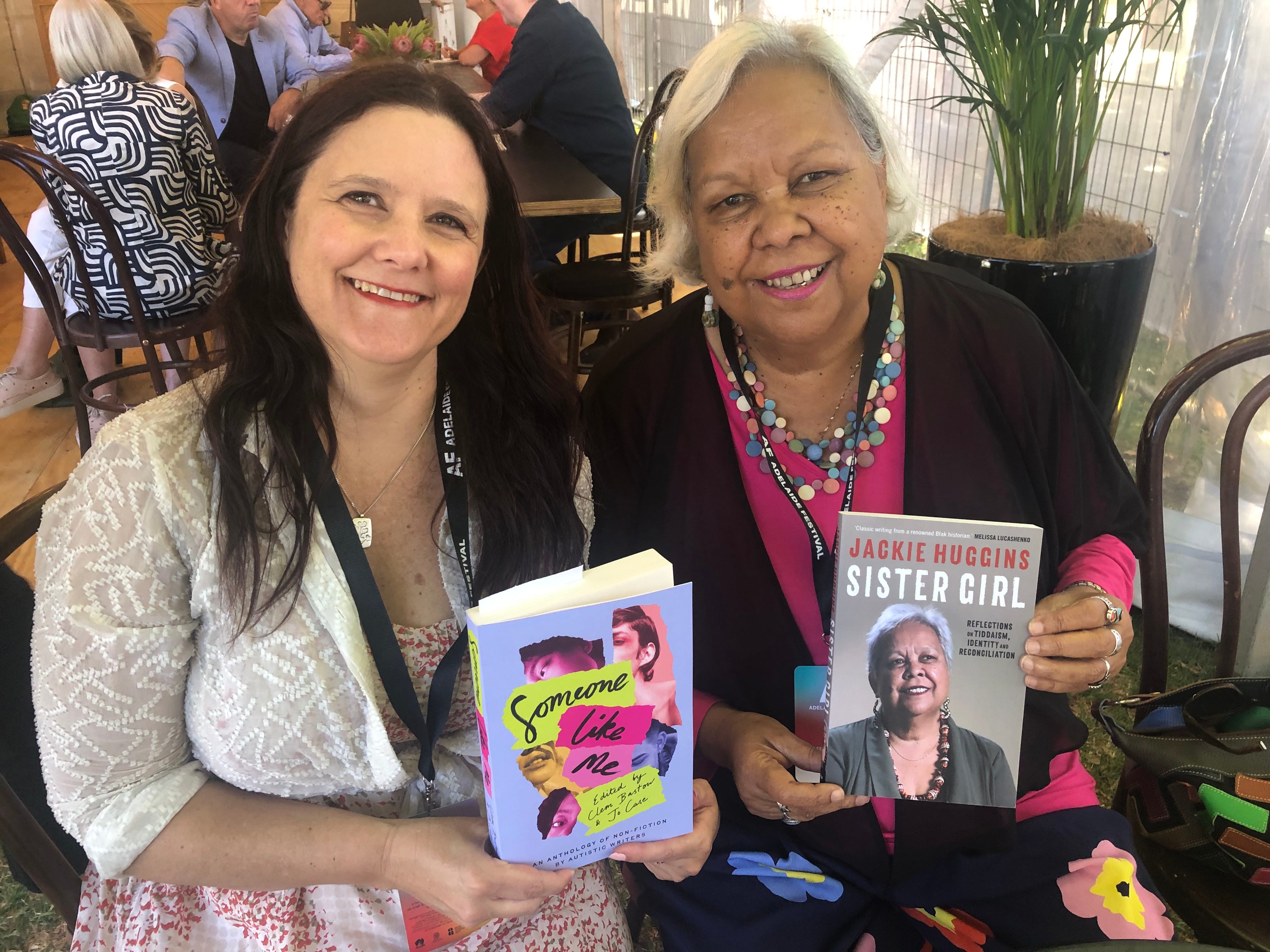
With Jackie Huggins at Writers Week before our session with Natalie Harkin, each of us holding our own books.
March/April
Mad About the Boy: Bridget Jones - Helen Fielding (re-read)
Why I read it: I saw the film and loved it. (Sobbed all the way through it.)
Verdict: I was thoroughly entertained. I think I disliked this book when I originally read it, in 2013. I probably hated that Mark Darcy had been killed off and I didn’t care about the new love interests. But reading it aged 49, around 12 years post-divorce (yes, I unknowingly read it in the last year of my first marriage), now married to my wonderful second husband for going on seven years, I connect differently with a story about finding love again after loss, and am more open to new chapters.
Groomed - Sonia Orchard
Why I read it: Loved Sonia’s 2003 friendship memoir, Something More Wonderful, and her 2009 novel, The Virtuoso; also read lots of interviews on release – it was in my head due to media coverage.
Verdict: It goes without saying that this book, where Orchard reflects on a relationship with a decade-older man she met in a nightclub when she was 15, is very well written. And it provoked me to think about age-gap relationships and built-in power imbalance more generally. (My son’s father was 31 and owned a publishing company when we met; I was 21 and a publishing assistant at a company in the same distribution network. He always remained the grown-up, and the one in charge, in our relationship. I’m not suggesting any impropriety: the late 90s were a different time and I was shocked and delighted that this older, wiser man was interested in me when we met. I was nominally a proper adult, though immature. But this book made me think.)
The Confidence Woman - Sophie Quick
Why I read it: I know Sophie, so was curious and wanted to support her. Also, it sounded clever and funny.
Verdict: My hunch was right – this Australian debut is a clever, funny, bittersweet satire about the housing crisis, written by a former editor at the Big Issue. A young single mother lives in a rented granny flat and runs a con scheme where she impersonates a life coach, while saving money towards a house of her own. She’s in danger of being found out by a too-savvy client who gets under her skin, and the reader holds their breath most of the way through, waiting to see what happens when she’s inevitably found out.
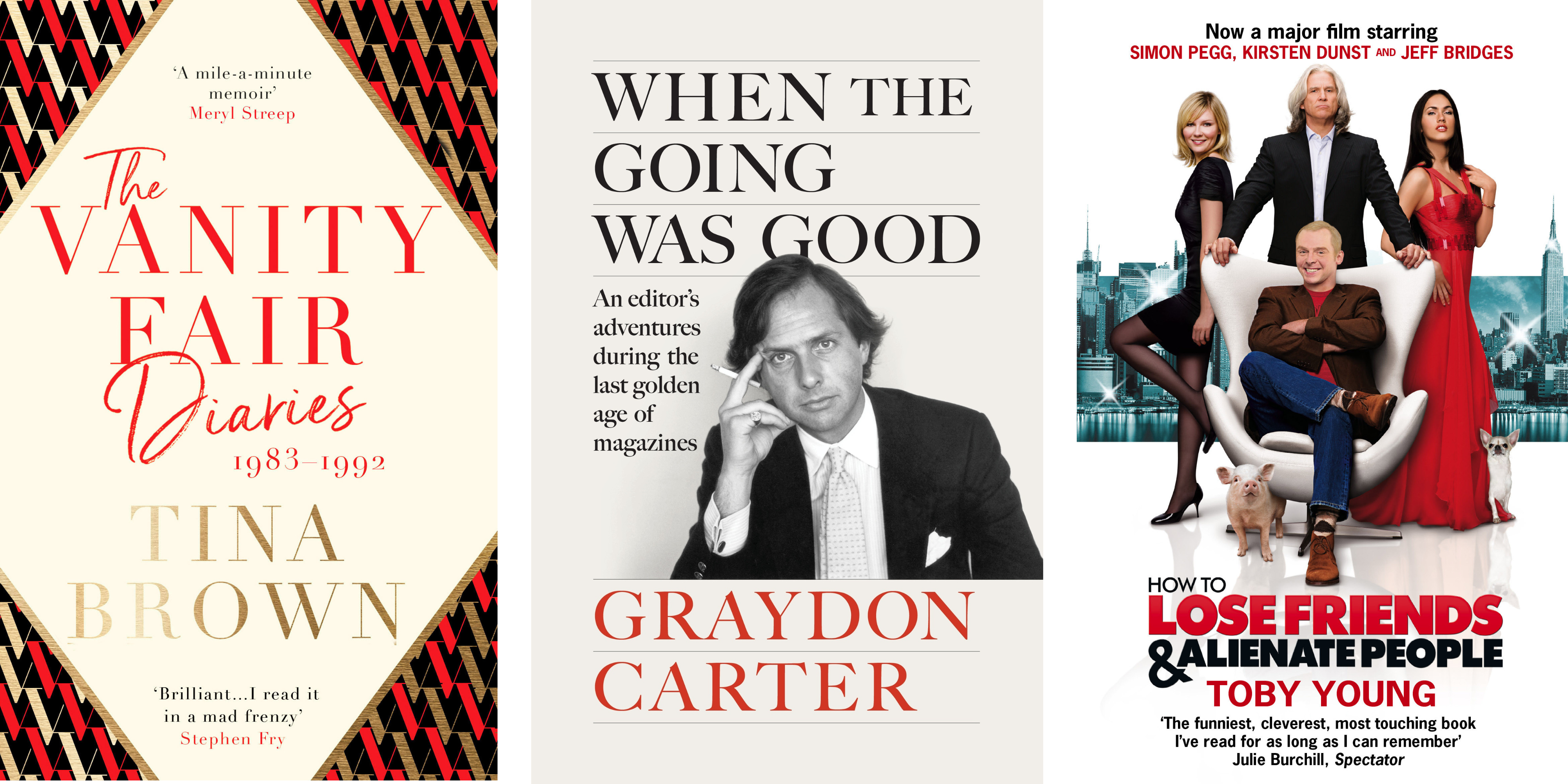
When the Going Was Good: An Editor’s Adventures During the Last Golden Age of Magazines – Graydon Carter
Why I read it: I heard about it via New York Times review and a NPR Fresh Air interview; am interested in behind-the-scenes magazine memoirs.
Verdict: Honestly, I was a bit disappointed. Carter is a perfectly fine writer, rather than a very good one. Given my interest in this topic, I’m glad I read it, and it was pretty interesting to see behind the scenes of this ultimate glossy during the years I was most often reading it. But it sent me back to Tina Brown’s far superior, sparkling Vanity Fair Diaries.
The Vanity Fair Diaries – Tina Brown (third time)
Why I read it: See above
Verdict: An absolute pleasure to read, this book makes me think about how to be a better editor – in between the biting gossip and observations, she’s terrific on the details of how she did her job as editor of Vanity Fair, and how she curated her editorial mix.
How to Lose Friends and Alienate People – Toby Young (second time)
Why I read it: Because of Carter and Brown books; read as an ebook because I couldn’t be bothered waiting for a print copy and didn’t rate the book enough from memory to need a print copy.
Verdict: This is still a very entertaining book, and it was fun to read his acid take on Graydon Carter so soon after Carter’s memoir. He was very nice to Young really – headhunted him and brought him to New York from the UK to work on Vanity Fair, where Young, as he admits, failed in the job. But his pretension is also pricked in an amusing way. Young is now in the House of Lords and writes for the Spectator; he’s clearly an utter dickhead. But this book is amusing.
Ootlin – Jenni Fagan
Why I read it: had read rave reviews in Guardian and elsewhere. Then I read an interview with Fagan and actor-director Samathan Morton, who also grew up in the UK’s care system.
Verdict: Extraordinary. Fagan was first taken from her mother at birth, and lived in 27 foster homes (including two unsuccessful adoption placements) before she was 16. This is a very, very dark story, but it’s told with such poetry and beautiful precision – and in the end, we’re reading it. We know she made it out alive. The first line reads: “I wanted to be pure so badly but before I was born I almost killed my mother.” (An attempt at self-abortion through an overdose.) Her mentally ill mother already had a six-year-old son she couldn’t look after, described in files as “so neglected he appears retarded”. She describes, amid all the moves and changes and different kinds of danger and moments of joy she encounters, “growing a writing bone”. She writes: “I read fairy tales like they are the rules of life.I read every other book I can find too. Stories become real things. They can change our life entirely. I don’t tell anyone that the other worlds are real.” It enables her to write like this, of her pre-birth existence: “I was bad sex while too drunk; I was a broken heart; I was a disappointment. I was a permanent sense of unease – crescending towards colours so bright and vicious my mother could not bear them. I was vicious. I was unstoppable.”
Age of Diagnosis – Suzanne O’Sullivan
Why I read it: thought about writing an opinion piece disagreeing with it; didn’t get time to do it
Verdict: The autism chapter made me angry and sad, but I could also see that wasn’t the intention: she’s coming from the perspective of someone who works with autistic people who would be classified as “profound” and is reflecting the concerns of their parents. But she’s also astoundingly dismissive of the autistic people she meets. John Harris, whose son is the kind of autistic O’Sullivan would accept, makes the compelling argument against this book that I had wanted to. And what’s her expertise? She’s a neurologist who works with epilepsy.
May – December:
We are the Stars - Gina Chick
Why I read it: I heard she’s autistic, so was curious.
Verdict: A lot of other people love this book, but I thought it was just okay. Honestly, I skimmed over sections. I loved Chick herself, and she does have a terrifically engaging voice. There were passages I loved, particularly recounting her oddball free-ranging childhood. But I think it was too airy and scattered for me to love it. I love detail, precision, rigorous honesty and control in a memoir.
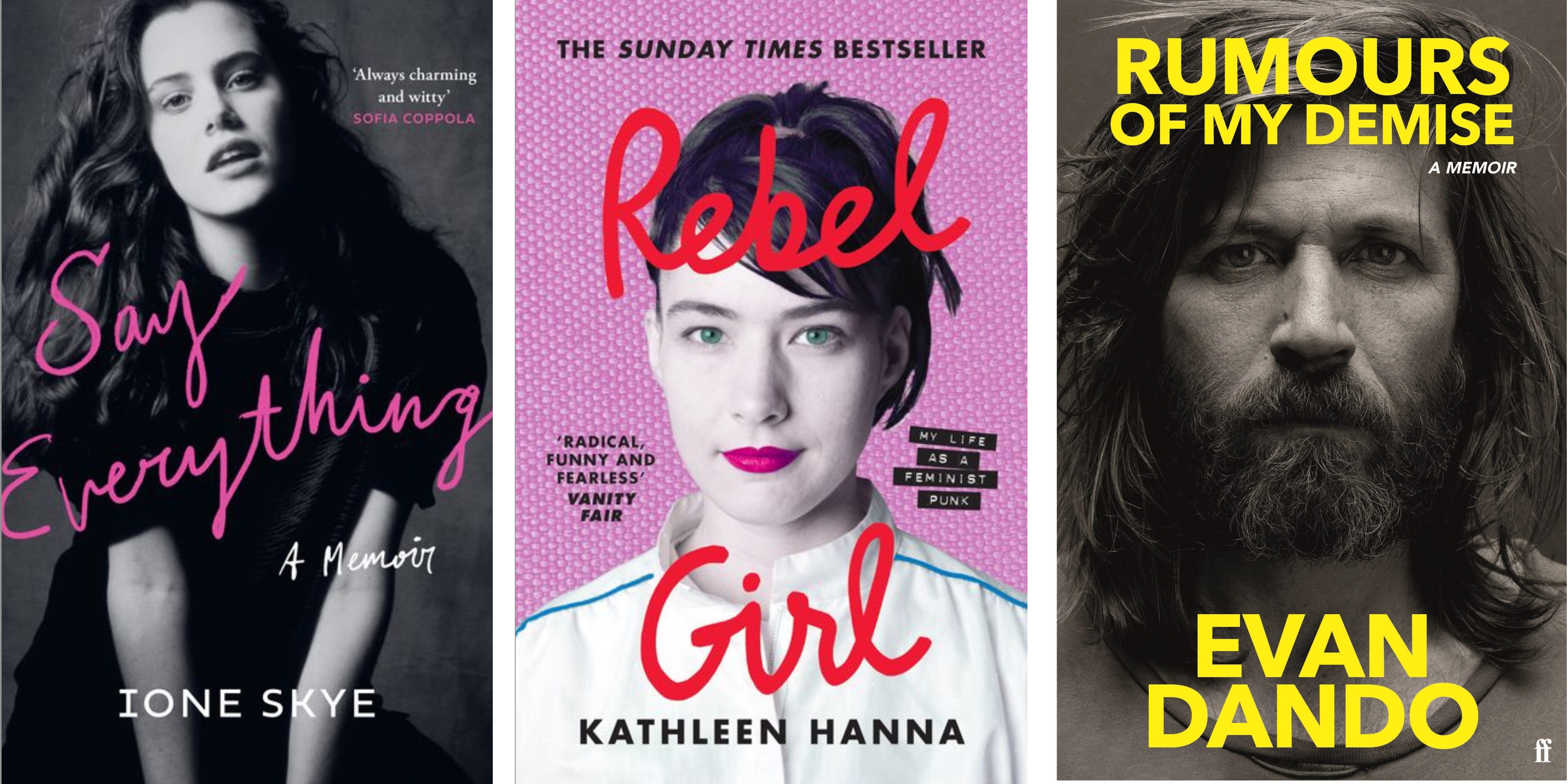
Say Anything - Ione Skye
Why I read it: I listened to this as an audiobook and then took home a printed review copy sent to work, as I’d really liked it.
Verdict: It’s a sensational audiobook – I don’t listen to audiobooks much, but when I do, my favourite kind are celebrity memoirs narrated by them. Skye has such an engaging storytelling voice, and it’s beautiful to listen to. I enjoyed this as a story about LA bohemia, longing for family and the dissonance between being desired and being loved. Skye’s mother was a model and her father was 70s singer Donovan Leitch, who left when she was a baby and was decidedly distant when she was a teenager who attempted reconnection. She had a teenage relationship with Anthony Kiedis of the Red Hot Chilli Peppers and tried to save him from himself when she was 16 and he was a 24-year-old heroin addict. She married Adam Horowitz of the Beastie Boys aged 21 (he was 25), and loved him passionately but compulsively cheated on him and their marriage broke up. I loved the aching exploration of her father-sized-hole (including envy when a fellow rock-star-daughter friend reconnected with absent dad Mick Jagger, thanks to Jerry Hall’s pushing) and her gossipy insider stories from film sets, though I didn’t always side with her.
Rebel Girl: My Life as a Feminist Punk - Kathleen Hanna
Why I read it: I listened to this as an audiobook and loved it, then bought a print copy to own.
Verdict: Hanna’s voice is so engaging, alternately tough and vulnerable, and she’s the best kind of memoirist: introspective, open and analytical. This isn’t just a book about being on the road or mingling with celebrities. (Though there is that – she was good friends with Kurt Cobain, and fell in love now-husband, Beastie Boy Adam Horowitz, while touring Australia with Summersault festival. Excitingly, she also tells the story of an impromptu hotel bar gig in Adelaide by the bands on the tour, which I was in the tiny room for. I know from Skye’s book that Horowitz got home from that tour to find her naked in the pool with a model, and that was the end of their marriage and the beginning of his relationship with Hanna.) It’s a layered, contextualised account of how she became herself and the role music has always played for her. In the opening pages, she writes of singing: “Hearing my voice bouncing back at me was like watching light refracting off a mirror. A mirror I could finally see my whole self in.”
Wild West Village - Lola Kirke
Why I read it: I read an excerpt somewhere and liked the voice, was intrigued; sounded like she grew up in a dysfunctional family and I was curious about both this and the bohemian celebrity memoir angle.
Verdict: Quite good. Slivers of great writing. It’s a fascinating look at a glamorous dysfunctional family, and I was disturbed by how Lola – objectively a beautiful woman – casts herself as the ugly duckling in a family obsessed by beauty. Her father, Simon Kirke, was a rock star and her mother a model. Jemima Kirke (Girls) is one of her older sisters – and honestly, sounds a lot like her Girls character, Jessa. Here’s a snippet that illustrates the atmosphere. “Being skinny seemed really stressful. I wondered why everyone seemed so into it. Most especially my mom, who for a while set a large rubber replica of ten pounds’ worth of fat in the middle of our dining room table for all of us to behold as we ate dinner.” Courtney Love stays at her house and both floods and sets fire to it. Kirke interviews a friend’s “Aunt Joan” ( “frail with an immovable bob” and “seems mean”) about Charles Manson for a school assignment. Her dad fills in as a Bon Jovi band member and gets her his autograph. Kristen Stewart beats her for a child acting role.
This is What it Feels Like - edited by Julia Prendergast & Rebekah Clarkson
Why I read it: My friend Rebekah asked if I’d read it to endorse if I liked it.
Verdict: It’s a beautiful and original collection of flash fiction by five writers, the stories loosely connected through themes. It has some gorgeous little worlds contained in a page or so, and some killer lines that capture human truths. “I think of home, my children, the sense of irreparable responsibility because I brought them into the world. The demented nature of that never-enough love.” Oof. Also, an amazingly evocative cover, by Adelaide artist Margaret Ambridge, of a naked older woman weith a lifelike fox fur draped over her exposed breasts.
Careless People – Sarah Wynn-Williams
Why I read it: I bought a copy to read, so I could read in concert with a reviewer covering it, but then got distracted and didn’t read it; I picked it up again after I read a tech world novel, One Story, to make links.
Verdicts: It’s got great moments, but it’s sometimes boring. And I’m not sure she’s as self aware about her role in Facebook/Meta as she believes she is.
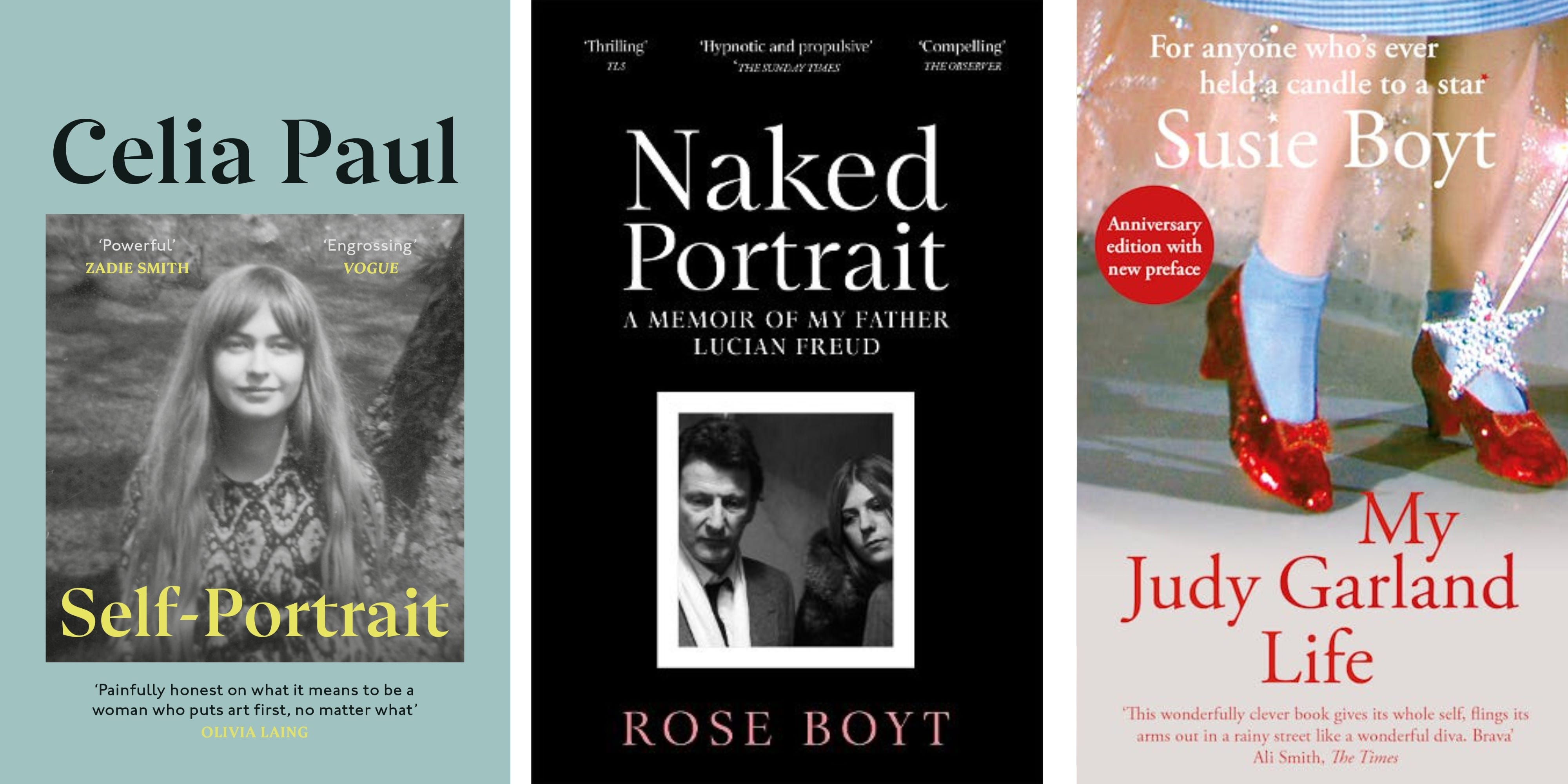
Naked Portrait – Rose Boyt
Why I read it: I discovered this book while online researching painter Lucian Freud’s family, which I did after hearing his daughter Esther Freud had a new novel out, and because I’d bought a memoir by his ‘muse’ and lover, Celia Paul.
Verdict: I loved this book, which combines diaries and memoir, and is really about Boyt’s relationship with her father, themed through her sittings for him. Boyt seems to have been the favourite of his 14 acknowledged children (none of whom ever lived with him); she was the executor of his estate.
Hideous Kinky – Esther Freud
Why I read it: I had always meant to read this, but actually ordered it after I realised she had a new novel coming out that was a sequel of sorts to this one. I’d also become curious about Lucian Freud’s family, after buying and intending to read Celia Paul’s second memoir.
Verdict: I liked it, and was fascinated by the trajectory of it – a hippy mother who loves her children but is also kind of neglectful; an absent father; a bewitching and complex account of a bohemian childhood. But I had expected to love it, and didn’t quite get there.
My Sister and Other Lovers – Esther Freud
Why I read it: I was following a Freud thread. I also heard about this book in interviews on NPR and ABC. Freud came to Byron Bay Writers Festival, which also prompted me to read it.
Verdict: I actually didn’t like it as much as I thought I would; much preferred Rose and Susie Boyt’s writing, though Esther is the best known writer in this family.
My Judy Garland Life – Susie Boyt
Why I read it: I was following my Freud thread; I also thought it seemed like a very neurodivergent book, so was curious.
Verdict: I loved this book, which is a really original and deeply passionate book about fandom, through her relationship with Judy Garland’s work and persona, and I might re-read to write about it some time. “Her central credo, and it always always comes to me as her voice begins to swell, is that to be the person with the strongest feelings in life is to be the best. This is an instinct I am quite sure I was born with,” she writes of her bone-deep affinity with Garland. And: “Oh the tyranny of sanity! You can turn the tone of yourself down, and the colour and the sound, so you are fit for the purpose of everyday life without too much chafing, without too many tears, but is it bad now and then to experience yourself at full strength, to give wings to the matrix of longing that lies at the centre of your childish heart?” She never uses the word neurodivergent (or any subset of that), but this line is one of the most beautiful and apt descriptions I’ve read of masking and dropping the mask. And of fandom itself:
Fanatacism equals embarrassment because of the vulnerability and ardour it displays. These human facets are quite out of fashion … Hero worship, when properly entered into, has a great deal of poetry to it.
Self-Portrait – Celia Paul
Why I read it: I had long meant to read Paul’s second memoir, which was recommended to me by a friend and very fine reader; by the time I read it I was also following my Lucian Freud thread.
Verdict: It’s beautiful and fascinating. “By writing about my life in my own words, I have made my life my own story,” she writes in the opening pages – rejecting the hierarchy often imposed on her, of muse and then artist. “Lucian, particularly, is made part of my story.” She portrays him as part predator, part mentor, part something deeper and richer. Her first impression of Freud, who she meets when she is an 18-year-old art student and he a much-older visiting fellow, is “lonely and needy and strange”. At first she seems to accept his sexual interest as the price of his artistic interest. Even after it turns to love, she fears it is “more like a sickness”. I love that she writes the artist-muse relationship in a stranger, darker, more complex way than is usually imagined. Of her first sitting: "The experience of being naked disarmed me. I felt like I was at the doctor’s, or in the hospital, or at the morgue.”
Letters to Gwen John – Celia Paul
Why I read it: It was recommended to me by a friend and very fine reader; by the time I read it, I was also following my Lucian Freud thread.
Verdict: A gorgeous book, with exquisite colour illustrations of the paintings discussed. Will probably re-read. This book is written as a series of letters to early 20th-century artist Gwen John, famous for her paintings of solitary woman – and as muse to Rodin. John feels “mysteriously connected” to her. I’m fascinated by her reflections on motherhood, which she also makes strange and dark, as well as intensely loving and joyful. She wrote in her first book about giving over the care of her son (with Freud) to her mother, who raised him, from babyhood. She lived apart in her small flat overlooking the British Museum (bought for her by Freud), which is devoted to work, and visited her mother and son regularly. When her mother grew too old to care for him, he was sent to boarding school, which he hated, and as a teenager he spent school holidays with her in her deliberately austere flat. (“Throughout the thirty-eight years I have lived here, I have kept this place as inhospitable as possible in order to ward off any potential intrusion.”) She describes him as “angry” and “unhappy” at this time. But refused to compromise her devotion to her art by making a home for him. I can’t understand how she lived with this – lives with this. Apparently, she and her now-grown son are close. But while her relationships fascinated me, her meditations on art and creativity are especially beautiful, and the central focus of the book (and her life, it seems).
Lucian Freud – Phoebe Hoban
Why I read it: I had read about Freud through the lives of his woman, so wanted to read a biography about him for context; this one was short and available - it was also reviewed as putting forward a theory he was autistic, which I was curious about.
Verdict: It was quite good, but I ordered a copy of another, well reviewed, biography of Freud to read next, as I was left a bit dissatisfied.
Is There Still Sex in the City? - Candace Bushnell
Why I read it: I read a New York magazine piece she wrote about dating in her 60s, after divorce, and the tone was smarter and dryer than I expected; was curious to read this earlier book about dating in her 50s; I was also curious to see if it would be richer material for a Sex and the City follow-up than the glossy, empty And Just Like That – I think it would have been. Read it as an ebook because I wanted to read immediately and didn’t think I’d like it enough to need it as a printed book.
Verdict: See above.
Sex and the City – Candace Bushnell (second time – but didn’t finish the first time)
Why I read it: I read it after I had read Is There Still Sex in the City? I had tried to read this book before and hated it every time because it’s so much more cynical and less romantic than the series that used it as source material.
Verdict: This time, I liked it a lot. I did think it was very 21st-century Edith Wharton, which I believe is what she intended. Actually, it made me want to re-read House of Mirth.
Bloomer – Carol Lefevre
Why I read it: I’d edited and published four essays by Carol which were adapted for the book, and I love her writing. Also: my grandmother is one of the over-70s profiled at the back of the book. I think I bought this at the book launch?
Verdict: I wasn’t disappointed! This book is elegant, wise and deeply moving. It’s set over a year in which Carol turns 70 and grieves the loss of her beloved mother, following the seasons in the garden as a framing device.
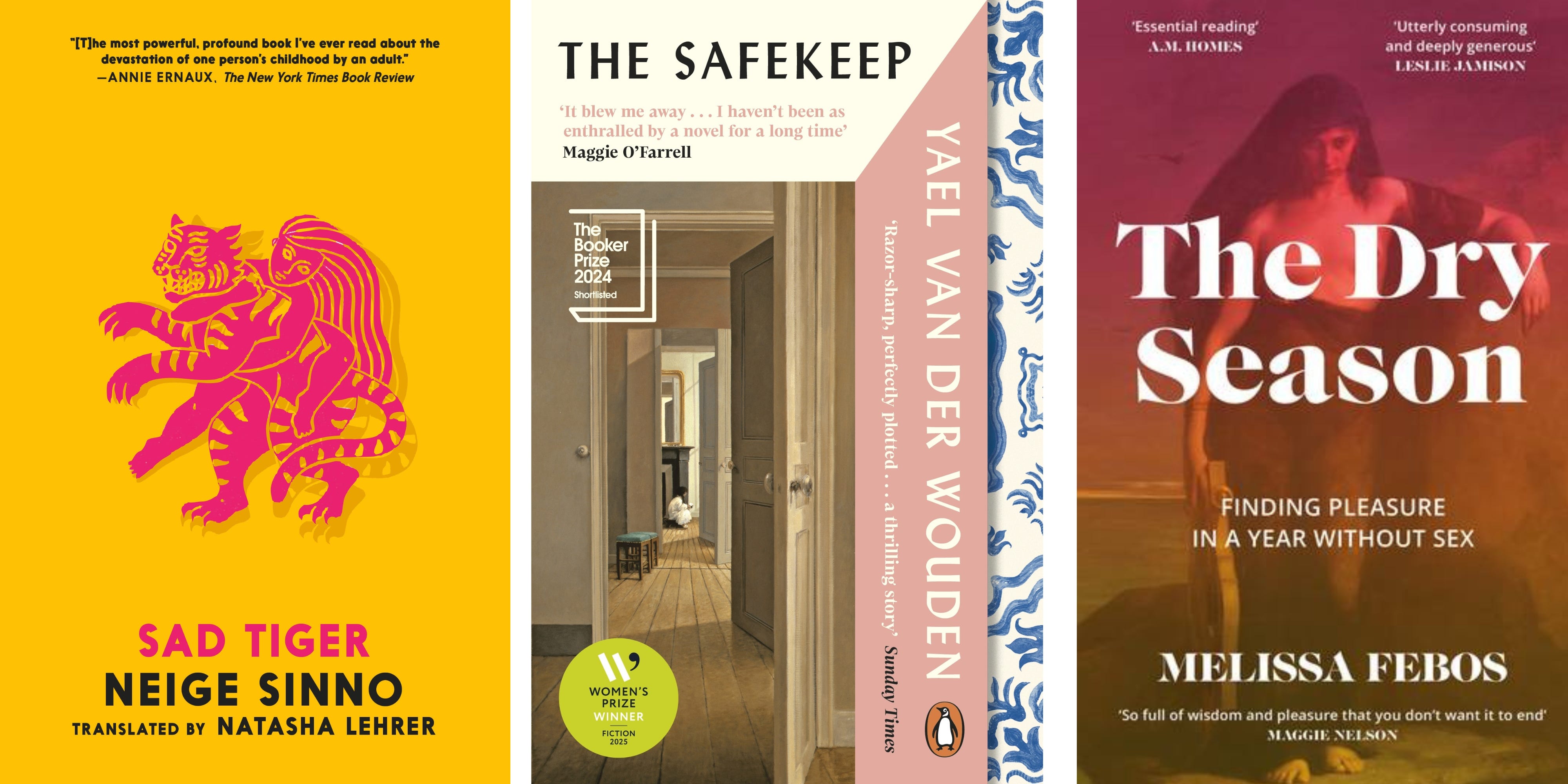
The Dry Season: Finding Pleasure in a Year without Sex – Melissa Febos
Why I read it: I’m a big fan of Melissa Febos’ essays and will read anything she writes. She’s an exquisite writer.
Verdict: It’s excellent.
The Palace Papers – Tina Brown
Why I read it: re-reading The Vanity Fair Diaries reminded me how much I love her writing. Had bought secondhand on a whim a while ago. I’d just been reading Entitled by Andrew Rownie, the unauthorised biography of Prince Andrew and Sarah Ferguson (which I also picked up secondhand, on a later occasion) and found it sloppily written, which made me want to read this book instead.
Verdict: Great fun; very interesting on Andrew and Epstein. Still felt slightly soiled and embarrassed after reading it.
Sad Tiger - Neige Simmo
Why I read it: I had read amazing reviews of this memoir, and I had commissioned a writer to review it in an essay and wanted to read this in concert with her.
Verdict: Incredible. The author was seven when she was first abused by her stepfather, called “a narcissistic pervert with sadistic tendencies” by a psychiatric expert before the trial where he pled guilty to raping her over years (but “never once uttered the word rape”). “The taboo in our culture is not rape itself, which is commonplace everywhere, it is talking about it, thinking about it, analyzing it,” she writes. This memoir blends personal experience with literary criticism – the stories we read and tell about child sexual abuse. And the stories criminals invent to “make it possible to live with themselves”. She looks at Lolita, of course, and the massively uncomfortable (to say the least) 2011 memoir that this book takes its title from, Tiger, Tiger by Margaux Fragoso. She tells how books by other survivors (of slavery, concentration camps) “offered me ways to think about radical evil, to consider the guilt of the survivor, to touch the threshold of resilience”. But, she says: “Literature did not save me. I am not saved.” It’s an incredibly rigorous book, told with cool precision, cold anger and blazing intelligence. Not for the fainthearted, but well worth reading.
The Tell - Amy Griffin
Why I read it: I’d read a lot of media coverage of this memoir, including many positive reviews; also wanted to read in concert with a writer who was going to write about it.
Verdict: I absolutely hated it. Ironically, given the title, she tells on herself constantly.
Daughters of the Bamboo Grove - Barbara Demick
Why I read it: I’m interested in reading personal accounts of the complexities of adoption, fostering, IVF and similar; also read incredible reviews and interviews with the author. Was sent it.
Verdict: Barbara Demick is a masterful narrative journalist. In this addictively immersive book, she deftly tells the dark history of international adoption in China during the One Child policy through dogged reporting and fascinating personal stories. She interviews Chinese families whose children were forcibly adopted and American families horrified to discover the children they thought they were “saving” had been stolen and basically sold to orphanages. The focus is the incredible story of identical twins, separated when two-year-old Fangfang was abducted from her village, reunited through Demick’s sleuthing and organising.
Consider Yourself Kissed - Jessica Stanley
Why I read it: I’d read a lot of rave reviews. May have included a Substack rave by Pandora Sykes?
Verdict: Absolutely loved it. Jessica Stanley didn’t write this novel as a rom com. And the cutesy title resembles one, it’s actually a literary reference – to Mary McCarthy’s The Group. “Consider yourself kissed” is the way a character in it signs off letters to his girlfriend. And on their first date, aspiring novelist Coralie and political columnist Adam talk about books. (She is impressed that he owns Don Watson’s Recollections of a Bleeding Heart.) Their relationship is at the heart of the book, but it’s not will-they, won’t-they? There are no fake obstacles. They meet, fall for each other, and soon move in together, then make a family. And the plot points where fake obstacles would be in the rom-com genre are instead filled by real-to-life ones, to do with blended families, psychological baggage, finances, renovations and the unmatched tussle between two careers and creative ambitions. Coralie’s narrator-voice sparkles and this novel has a huge, suitably messy heart. A perfect comfort novel or summer read.
The Book of Goose - Yiyun Li
Why I read it: I discovered it in a secondhand bookshop and had always meant to read this author.
Verdict: Weird and wonderful. A twist on the classic best female friends with a toxic streak novel, epitomised by Margaret Atwood’s Cat’s Eye, Zadie Smith’s Swing Time and Sigrid Nunez’s The Last of Her Kind.
The Safekeep - Yael Van Der Wouden
Why I read it: I read rave reviews, saw her at Melbourne Writers Festival and was really impressed.
Verdict: Riveted. Saw the big twist coming, but didn’t care. Didn’t quite believe the ending, but that didn’t ruin the book for me at all.
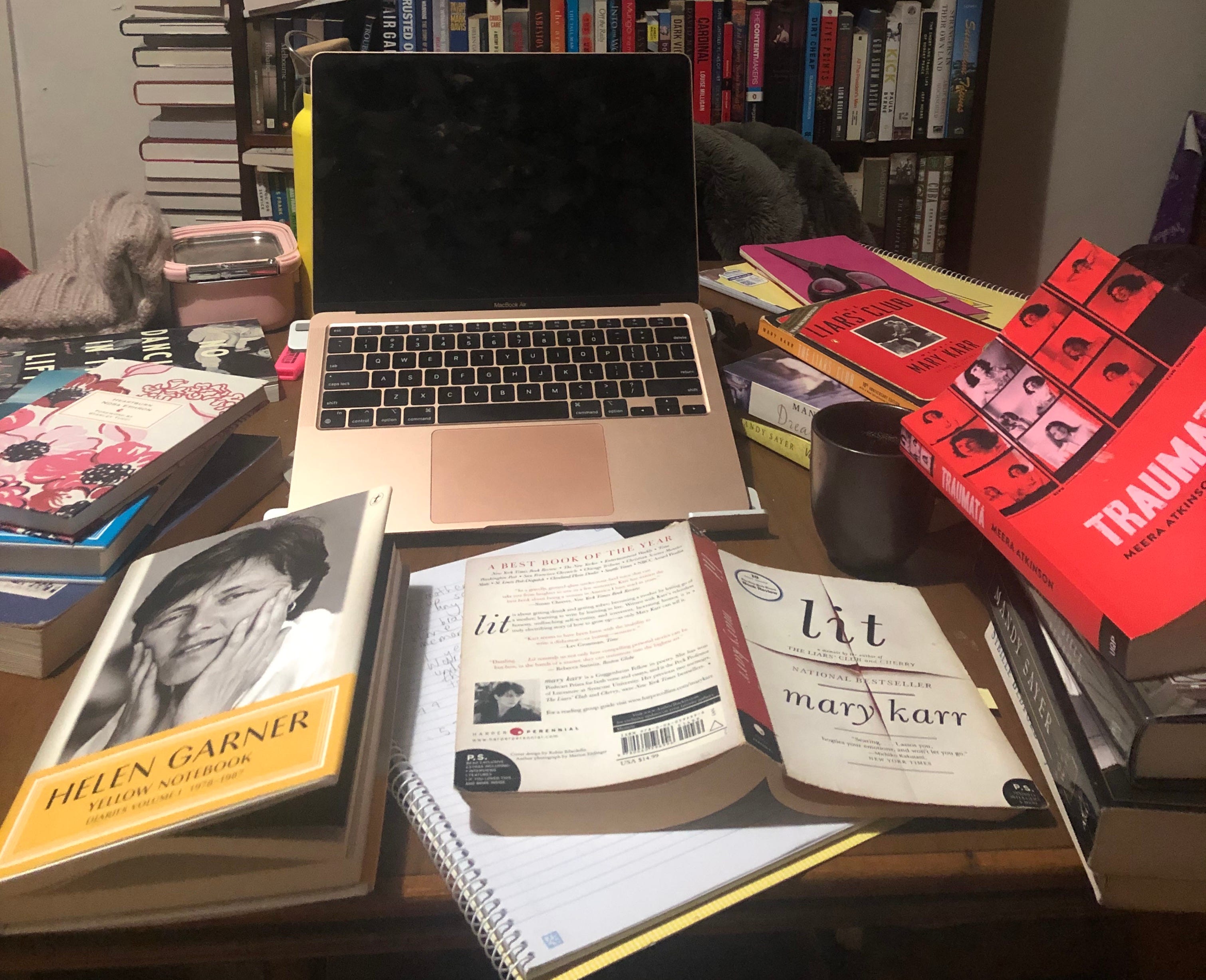
Velocity – Mandy Sayer (re-read)
Why I read it: to write a talk about my favourite books, which I decided to theme around memoir trilogies.
Verdict: Remains one of my favourite books.
Dreamtime Alice – Mandy Sayer (re-read)
Why I read it: to write a talk about my favourite books, which I decided to theme around memoir trilogies.
Verdict: Remains one of my favourite books.
The Poet’s Wife – Mandy Sayer (re-read)
Why I read it: to write a talk about my favourite books, which I decided to theme around memoir trilogies.
Verdict: Remains one of my favourite books.
The Liar’s Club - Mary Karr (re-read)
Why I read it: to write a talk about my favourite books, which I decided to theme around memoir trilogies.
Verdict: Remains one of my favourite books.
Lit - Mary Karr (re-read)
Why I read it: to write a talk about my favourite books, which I decided to theme around memoir trilogies.
Verdict: Remains one of my favourite books.
Traumata - Meera Atkinson (re-read)
Why I read it: to write a talk about my favourite books, which I decided to theme around memoir trilogies - and I had read and loved this book, which deals with trauma and memoir, and wanted it to inform my talk.
Verdict: Will continue to revisit this book and its intelligent, deeply felt wrestling with trauma and its reverberations through a life, based on memoir, psychology and more.
How to End a Story: Diaries 1995–1998 - Helen Garner (re-read)
Why I read it: to write a talk about my favourite books, which I decided to theme around memoir trilogies.
Verdict: I already knew this was one of my favourite books ever.
One Day I’ll Remember This: Diaries 1987-1995 – Helen Garner (re-read)
Why I read it: to write a talk about my favourite books, which I decided to theme around memoir trilogies.
Yellow Notebook: Diaries Volume I 1978–1987 – Helen Garner (re-read)
Why I read it: to write a talk about my favourite books, which I decided to theme around memoir trilogies.
Annie Magdalene – Barbara Hanrahan
Why I read it: the second Hanrahan released by Pink Shorts.
Verdict: A beautiful, gentle but not sentimental, portrait of working-class life in Adelaide’s inner-west, based on an oral history taken from a Thebarton woman Hanrahan met. Anchored in jewelled detail in a way that mirrors Hanrahan’s amazingly intricate paintings.
Barbara Hanrahan – Annette Stewart
Why I read it: to inform my reading of Hanrahan’s novels and diaries, after I was invited to join a Barbara Hanrahan event to talk about reading the diaries. Bought it at a bookshop where I was browsing.
Verdict: Pretty good, learned some interesting stuff.
Plastic Budgie – Olivia De Zilva
Why I read it: had been meaning to read out of an interest in Pink Shorts; bought it at the Barbara Hanrahan event.
Verdict: I was hooked by this brilliantly sad-funny Adelaide debut autofiction from its opening pages. In diamond-sharp sentences, De Zilva (named for Olivia Newton-John) combines sardonic humour with poignant, incisive recollection, sharing stories about her loving dysfunctional family, internalised racism, shocking school bullying (and teacher neglect), loneliness, inherited trauma and finding community at university. This is the most exciting new Australian voice I’ve discovered this year – and a testament to the strength of new local publisher Pink Shorts Press.
In Certain Circles – Elizabeth Harrower
Why I read it: I had always meant to read it; the two Harrower biographies coming out this year prompted me to finally do it, as I felt I should read the books before the biographies. I came across this book in a Byron Bay bookshop while travelling, and decided to start here because it was the Harrower they had in stock.
Verdict: I was blown away! Wondered why I hadn’t read it years ago. Vowed to read all her novels – and then at least the Susan Wyndham biography, maybe the Helen Trinca one too.
The Watch Tower – Elizabeth Harrower
Why I read it: See above – and I knew this was the novel considered her masterpiece.
Verdict: LOVED it. The portrait of coercive control as domestic abuse is startlingly modern and feels bracingly accurate. I’ve never experienced anything like this, but I did once live on eggshells with a perennially unhappy, reflexively critical ex-husband, and I recognise the hypervigilance. Ben Whishaw said of Harrower and this novel: “She seems hyper-aware of currents under the surface of human relationships, the conflict between having to keep up a certain social normality and the burning emotions underneath.” Yes, that’s it.
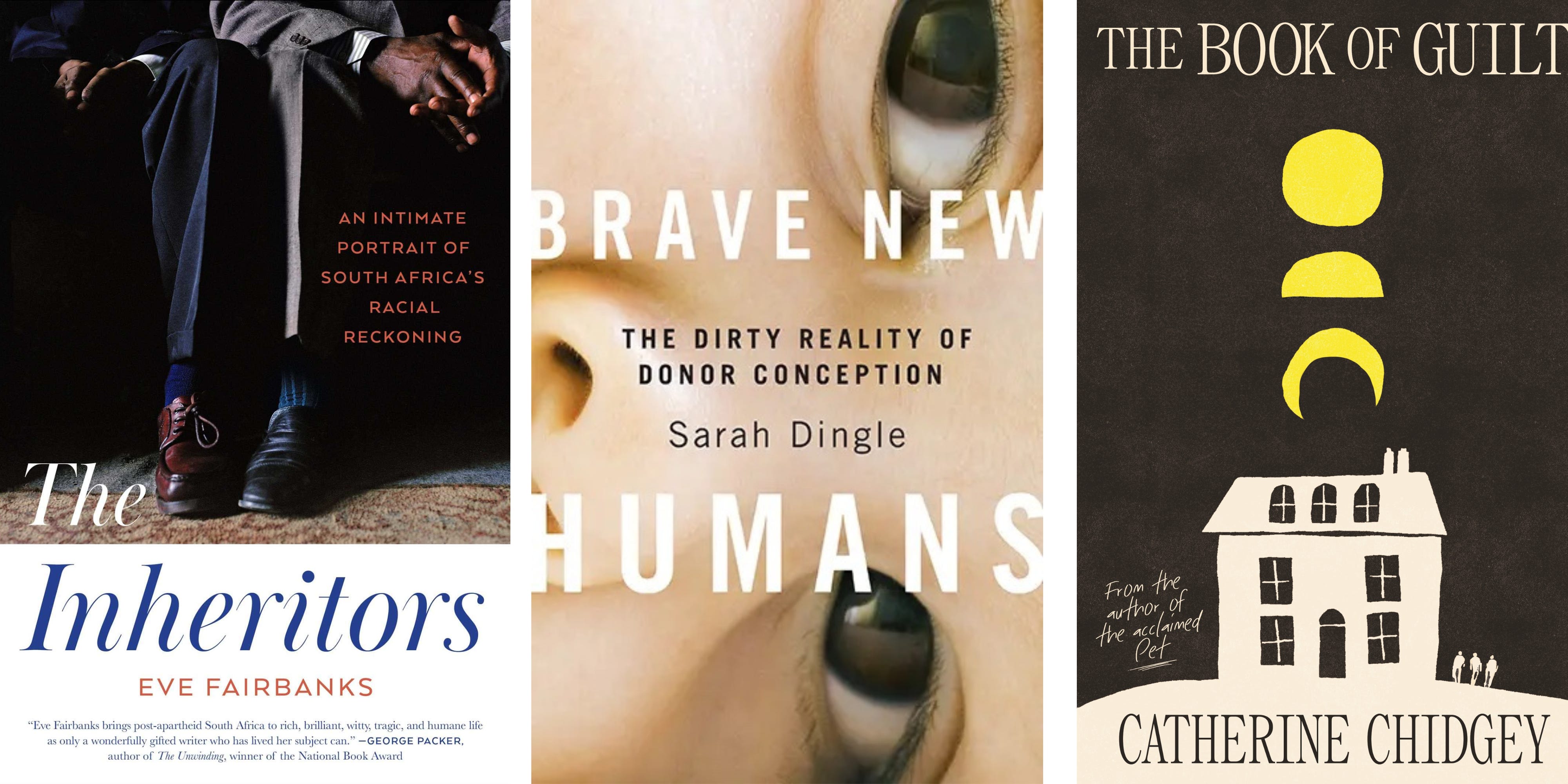
The Book of Guilt - Catherine Chidgey
Why I read it: I was sent an early copy by the publisher because I’d written about how much I love this writer.
Verdict: LOVED it. Yes, as some reviews make clear, it has similarities with Kazuo Ishiguro’s Never Let Me Go – but to me, it’s also very much its own novel. Vincent and his brothers live isolated in a big country house, once filled with boys like them, all eventually gone to a holiday paradise. They are raised, taught and tended by a rotating shift of “mothers”. The boys have always been mysteriously sick, are given daily medication and are regularly assessed by a visiting doctor. When they go into the nearby village for short trips, they are stared at, whispered about and shrunk from. Not far away, Nancy lives in an eerie, claustrophobic house with loving, oddly exacting parents who exude a manic energy and have never let her out into the world. These children are all connected. And they live in a Britain where World War II was ended by reaching agreement and compromise with Hitler, where a Margaret Thatcher type is prime minister, and where a Minister of Loneliness is in charge of managing the outcomes for these infamous children. The novel’s themes include the complex nature and inheritance of good and evil, and its tension builds and revelations unfold slowly and irrevocably. It has absolutely devastating moments throughout. I cried and gasped and wanted to keep reading.
Brave New Humans - Sarah Dingle
Why I read it: I’d had this book for years and meant to read it; was sparked to read it after I read Book of Guilt because it speaks to themes in it; I am also really interested in the topic of IVF and was drawn to this as a book that combines memoir and journalism.
Verdict: Written by a Walkley award-winning journalist who discovers as an adult that she was not her father’s biological child and was conceived using a sperm donor and IVF, this is an incredible book. I can’t think of another book that would give a deeper insight into the various ethical issues around IVF or the sloppiness through the decades in thinking about the impact of IVF on the children created by it. I feel like everyone should read it. I’m not saying IVF shouldn’t be done, or criticising people who use it. It’s a systemic problem.
Remote Sympathy - Catherine Chidgey
Why I read it: was prompted to read it after Book of Guilt, as I thought it would speak to it; had long meant to read it, had on my shelves for a few years
Verdict: LOVED it. Parallels with Zone of Interest, which I must watch.
Fleishman is in Trouble - Taffy Brodesser Akner (re-read)
Why I read it: had been watching the series and it prompted me to reread the book, which I loved.
The Inheritors - Eve Fairbanks
Why I read it: I’d ordered this from the US through the bookshop I was working at years ago, after reading rave reviews in the New York Times and New Yorker; brought it on a beach holiday on impulse.
Verdict: Amazing book; couldn’t believe it took me years to read this work of narrative journalism, following three South Africans – a Black freedom fighter and her daughter, and a white ex-Army man who was one of the last to fight for apartheid, and didn’t adjust to the new regime. I thought about the complexities of post-apartheid South Africa, the lingering psychology of the apartheid years and the astonishing lack of accountability or reparation to those who suffered under the regime for weeks afterward. I’d like to read more about this.
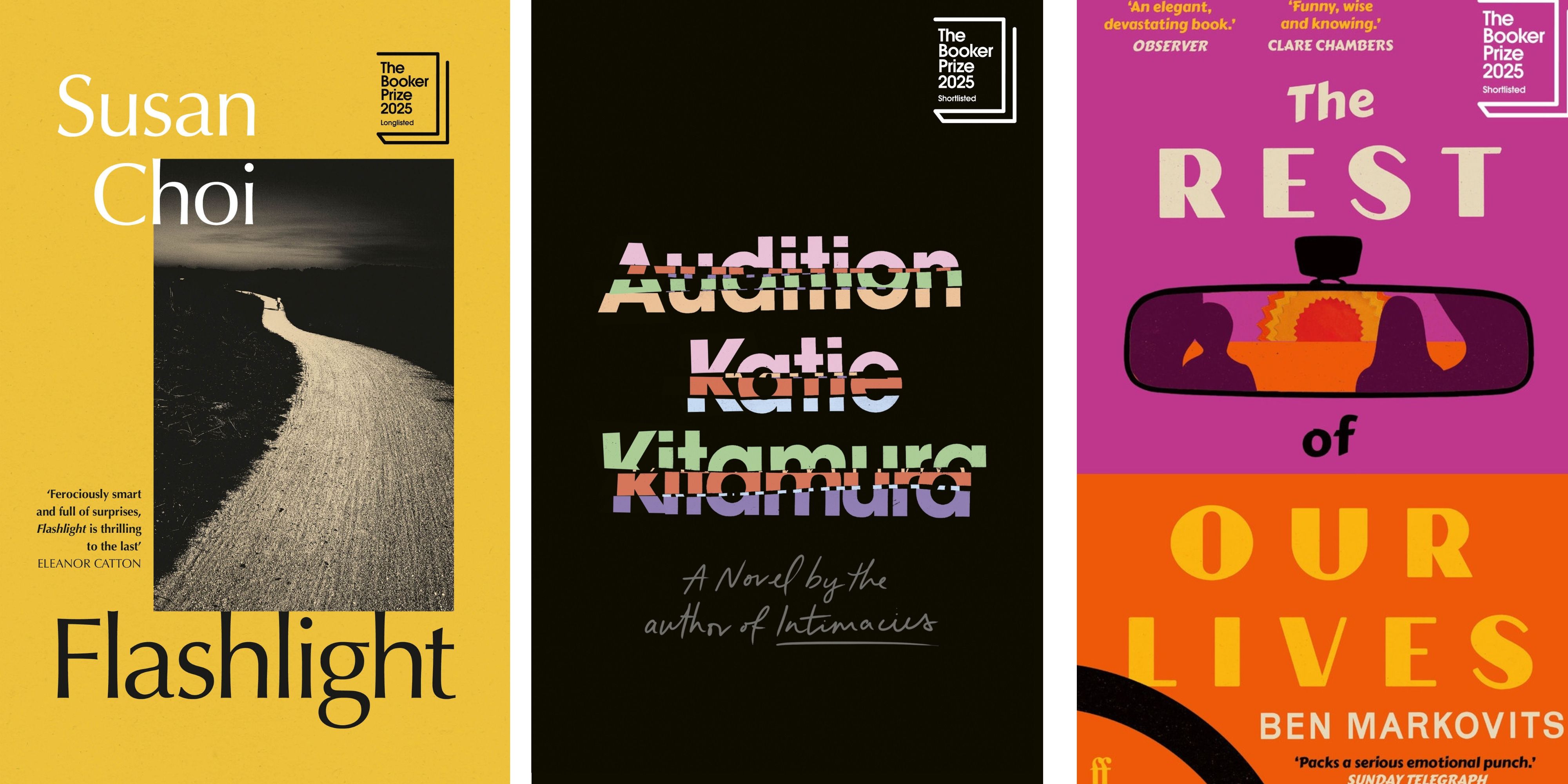
Audition - Katie Kitamura
Why I read it: I had been reading glowing reviews and saw it recommended on social media; took a chance on it while browsing shelves at local bookshop.
Verdict: LOVED it.
Girl on Girl: How Pop Culture Turned a Generation of Women Against Themselves - Sophie Gilbert
Why I read it: lots of media coverage made it sound interesting; ordered from local bookshop.
Verdict: Terrific.
All the Way to the River - Elizabeth Gilbert
Why I read it: I was curious; had read a lot of media takes; read it in concert with a reviewer writing about the book; was sent a proof copy.
Verdict: Hated it.
Tenderfoot - Toni Jordan
Why I read it: I’ve read and liked most of Toni’s books; had heard her talk about her mother and her working-class childhood around gamblers on ABC RN’s Conversations and it was a wonderful conversation – I knew this novel mined that territory in some way. Also, I was sent the book!
Verdict: Beautiful.
Heart the Lover – Lily King
Why I read it: my local bookseller told me it was coming out soon, so I ordered it; I’d loved her previous novel, which this was linked to.
Verdict: Loved it, though I’m not sure if I loved it as much as many others did. I thought it was wonderful, but not transformative. Maybe because I fell in love with her previous novel, Writers and Lovers, which this is a very loose prequel of sorts to, in the passionate way many readers are falling for this, so this delivered what I expected.
Kill All Boomers – Fiona Wright (April 2026)
Why I read it: I love Fiona’s memoir writing and so took this advance copy of her first novel home after it was sent to us at work; I will send it out for review.
Verdict: Will save for when the book is released! But I can’t wait for people to read it and discuss.
Flashlight – Susan Choi
Why I read it: on the Booker shortlist, had some great reviews, I had bought - and haven’t yet read – her previous novel due to amazing reviews; bought from my local bookshop on a visit.
Verdict: Was transported to another time and place by this novel set mainly between the US, Japan and North Korea, following a ten-year-old who is found unconscious on a Japanese beach where she was walking with her now-disappeared father. We follow her from this moment to an impoverished later life with her single mother, and into adulthood. We also travel backwards into her American childhood, where her parents were unhappily married. Her narrative is interspersed with her father’s, from the end of World War II as a Korean in Japan, to the 21st century. I couldn’t wait to finish work each day and return to it. It’s rare for me to be so utterly immersed in the lives of narrators I don’t much like as people, unless there’s a kind of winking nod to their unlikeability, or they’re a straight-up villain.
Nothing to Envy – Barbara Demick
Why I read it: was curious about North Korea after reading Flashlight and had heard amazing things about this book for years; had read her new book a few months earlier, so I trusted it would be excellent – it is.
Verdict: As good as I expected. I feel like I learned so much about Korean history from this book, to the degree that I realised how much I had never known or thought about before. I kept compulsively reading bits out to my husband, whether he felt like hearing them or not.
The Rest of our Lives – Benjamin Markovits
Why I read it: on the Booker shortlist, had some great reviews; was curious to read a male midlife crisis novel.
Verdict: A very good book that I enjoyed reading. I’d like to read more from this author. I felt like I was reading the kind of American literary novel that was fashionable about 20 years ago (Jonathan Franzen, Jeffrey Eugenides), though this was a slender novel, not a brick. Psychologically rich, prose smooth as butter, a wonderful unreliable narrator and a surprising amount of heart.
Gwyneth Paltrow - Amy Odell
Why I read it: lots of media coverage; sounded like a great trashy read; I read Odell’s biography of Anna Wintour and enjoyed it.
Verdict: It was pretty much exactly what I expected, though I got a bit bored towards the end. I love how much Gwyneth hated it. And I read it thinking I found her very annoying and Goop pretty awful. Finished it thinking she’s an awful person.
Sleep - Honor Jones
Why I read it: Pandora Sykes raved about it on Substack.
Verdict: It was very good, though I had expected it to be a bit better.
Liquid - Mariam Rahmani
Why I read it: sounded really interesting; read some great reviews; Pandora Sykes raved about it on Substack.
Verdict: Very clever, dryly witty, evocative of place in both LA and Iranian sections. Love the way she writes about financial precarity driving life decisions, and the precarity of academia and literary work. Also so good on divided identity and complex relationships with family.
The English Understand Wool - Helen DeWitt
Why I read it: Pandora Sykes on Substack; googled and read further and it sounded super interesting; read and loved her novel The Last Samurai years ago; tracked it down online.
Verdict: It’s as clever and bonkers as I imagined. I liked it a lot, but didn’t love it.
One Story – Pip Finkemeyer
Why I read it: was asked to review it and it sounded interesting.
Verdict: Won’t say, as I may still be publishing that review.
The Mushroom Tapes – Helen Garner, Chloe Hooper, Sarah Krasnostein
Why I read it: I love these three writers and would read anything they wrote together, on any subject, just to listen in on their conversation; it was sent to me.
Verdict: It was exactly as enjoyable and interesting as I expected. Great insight into how these brains work and write.
107 Days - Kamala Harris
Why I read it: was curious; heard Geraldine Brooks helped write it, so I figured it would be well written; read while a reviewer was reading it, to inform my editing of the review; it was sent to me.
Verdict: Pretty interesting, and yes, quite well written. Lacked self-awareness in many moments. Though I was electrified by her when she first got the presidential nomination, she’s not especially inspiring here. Perhaps she was electrifying in comparison to Biden and Trump? Honestly, I think the more we saw of her, the less articulate she seemed – and this book contributes to that (despite her words being massaged by Brooks). I was particularly
Cure - Katherine Brabon
Why I read it: I’d loved her previous novel, Body Friend. Bought in a bookshop.
Verdict: Katherine is a beautiful writer and I’ll keep hunting out and reading her work. But for me, this felt a little too close to Body Friend, but set in Italy, in that it again dealt with a narrator with an autoimmune illness who was trying to get better, and was very interior. It might be that I read it in the wrong headspace.
Off White - Rachel Shabi
Why I read it: It was recommended by my best friend, who said it was the book that best captured her own thinking on Israel-Palestine and antisemitism.
Verdict: Really interesting and complex. Should be read more widely in this moment.
Original Sin - Alex Thompson & Jake Tapper
Why I read it: I’d obsessively followed US election coverage last year and my husband and I like Jake Tapper; was super curious about it; had read about it in US news. Bought an ebook copy ahead of local release.
Verdict: Got exactly what I wanted from it, and it was an immersive read. Not especially revealing in terms of big, new information – but the details spoke volumes.
Ankami - Debra Dank
Why I read it: had long meant to read Debra Dank; was sent a review copy; was reading at first to consider for extract.
Verdict: Beautiful.
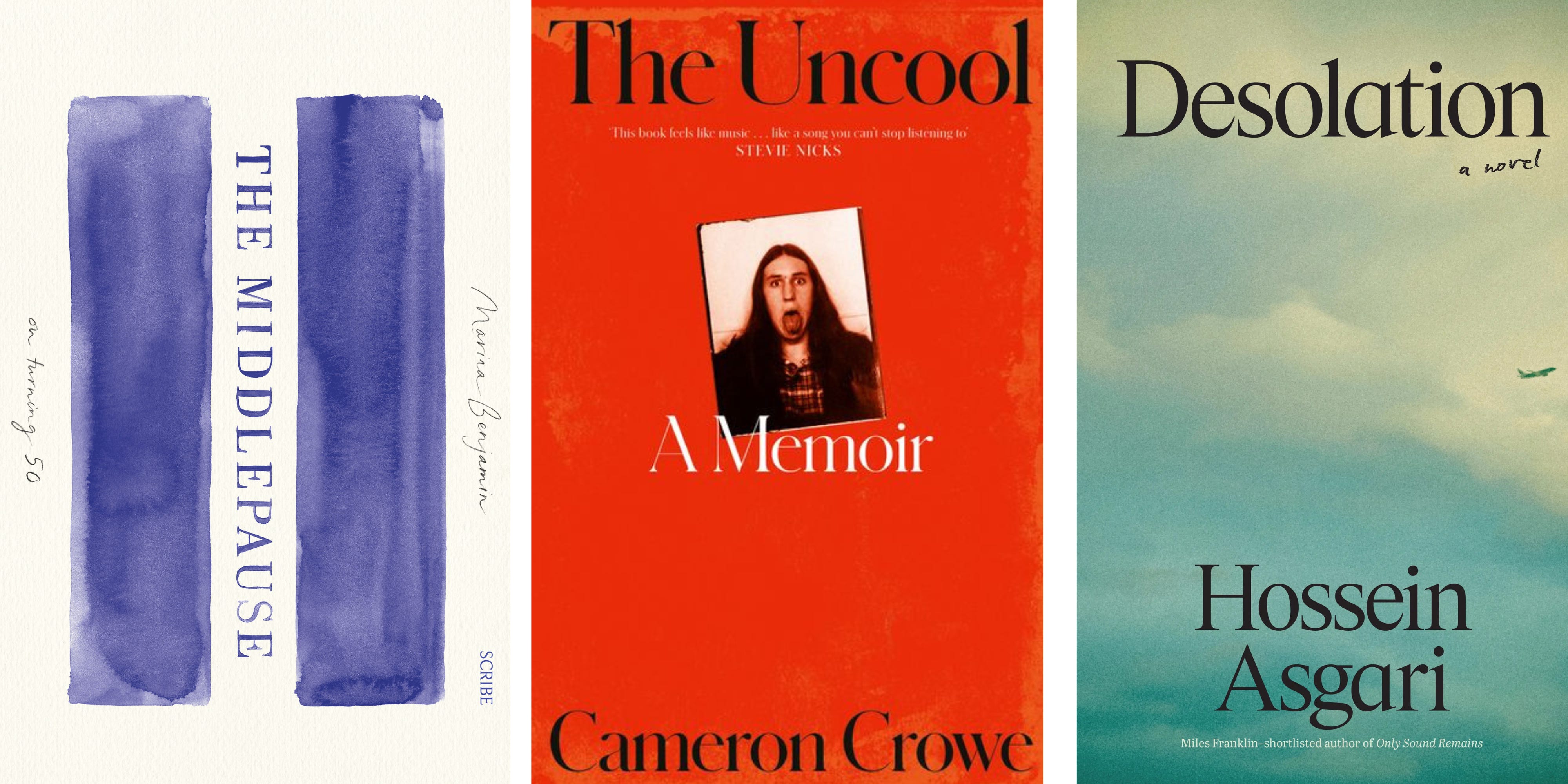
Desolation - Hossein Asgari
Why I read it: had read his short stories and thought them excellent; he’s an Adelaide author; his first novel, published by a micropublisher with excellent taste, was shortlisted for the Miles Franklin; was on display at my local bookshop.
Verdict: Excellent.
Chosen Family - Madeleine Gray
Why I read it: it was sent to me; had really liked this author’s writing voice in her previous novel, though I didn’t necessarily love the novel.
Verdict: LOVED this book. I connected with these characters so deeply, it made me cry. And I love Gray’s crisp, knowing prose and the novel’s essential emotional register of aching vulnerability guarded by a controlled exterior. Nell is twelve and a child more adult than the adults, especially her remote, glamorous family; she “knows who she is, and who she is does not fit in, which is fine”. Forthright, unfeminine Eve moves schools all the time, thanks to her mother Emerald, “more like a flaky older sister than a mum”. When she lands at Nell’s school, they each find a real friend in each other. “Some people are us, but not. Like a trick mirror warping one’s reflection, turning one into two; some people are two sides of the same coin.” The narrative moves between the past and the present, when heartbroken Eve is a 30-year-old single mother with a precocious seven-year-old daughter and Nell is gone from their lives. The narrative holds the promise of revealing what happened to tear the friends (more than friends?) apart, as we enter their world more deeply and move through difficult adolescence into adulthood. At its core, this is about the destructive power of the unsaid, the relief of sharing the unsayable, the rush of intense connection with another person, and the internal decay of not fitting in – until you find the community you hadn’t seen or known how to find. And of course, biological versus found family.
The Mobius Book - Catherine Lacey
Why I read it: read rave reviews; saw social media recommendations; picked up on impulse from local bookshop, partly inspired by the owner’s recommendation on social media; it’s an innovative divorce novel/memoir and the genre interests me.
Verdict: I’m now obsessed with Catherine Lacey, after reading this startlingly original, very writerly memoir/fiction – it’s two books in one, to be read in any order – about the aftermath of a devastating long-term relationship breakup. (The ex, another writer, emailed from another room of their house to tell her he “met another woman last week and now it’s over”.) These deeply human shards of self-interrogation reminded me of Helen Garner, or Sarah Manguso – a character in the memoir half (as is Geoff Dyer).
Nobody’s Girl – Virginia Guiffre Roberts
Why I read it: I read this partly to inform my editing of a review of the book, but also because I was interested despite myself, and I was sent a copy.
Verdict: So, so sad. But this was also a very good example of this kind of trauma memoir. Though Roberts’ life was warped and shadowed by darkness from an early age – she writes of abuse by her father and his friend in childhood, she ran away from home, she was practically kidnapped as a sex slave before she got involved with Epstein – the book includes moments and episodes of joy. Roberts is a tomboy, a reader, a mother, a passionate horse rider: she comes to life on these pages as a real person.
Bread of Angels – Patti Smith
Why I read it: absolutely loved Just Kids; read after I’d worked with a trusted reviewer on editing her review, which was a rave; it was sent to me.
Verdict: I liked it a lot, but was a bit disappointed, as I had high expectations after Just Kids. This book had the challenge/problem of having to write over and around that memoir: it covers her life from childhood to now. The way it dealt with that was to skim the New York years, meaning in this book they’re the least satisfying section. I loved her writing about her childhood, where she was alternately an oddball loner or leader of a gang of scrappy neighbourhood kids. I also loved the section on her marriage to her late husband Fred ‘Sonic’ Smith, where she mostly stayed close to home and discovered herself as a writer while raising kids. In these parts, she evoked the crisp detail and rich sense of place she did in Just Kids.
The Transformations – Andrew Pippos
Why I read it: it was sent to me; it was a journalism novel; it was Australian; I read positive reviews and social media recommendations.
Verdict: It was my book of the year! This big-hearted (yet unsentimental), alternately wry and moving novel is set in 2014: a specific moment in the long death of broadsheet newspapers. Kind, damaged subeditor George is carefully solitary. Then the teenage daughter he had at nineteen relocates to Sydney and a connection sparks with journalist Cass, who’s experimenting with an open marriage. These characters’ personal transformations unfurl alongside a changing media landscape. And I was unsurprised to see Pippos has worked as a subeditor; his details (and their execution) are pitch-perfect.
Rumours of my Demise - Evan Dando
Why I read it: I liked The Lemonheads; I had a reviewer writing about it and asked if I could get a copy too, which was sent to me; I’d read reviews that said it was well written.
Verdict: It’s fine, but a bit boring – it’s so aimless, and lacks focus and genuine introspection. There are some great anecdotes, particularly about being pursued by Courtney Love, who he says tricked him into a photo shoot in bed and told Kurt they had an affair. But he comes across as a lazy, entitled dickhead. Reading this book has kind of ruined the excellent It’s a Shame About Ray for me (hopefully temporary).
The Uncool – Cameron Crowe
Why I read it: I read some really good reviews of it; loved the premise of a memoir by someone who was a teen rock journalist; was curious to see parallels with the film Almost Famous, which also covers this time
Verdict: I can’t forget it. Was surprised by how moved I was by the family story at this memoir’s heart: Crowe’s sister Cathy died by suicide as a teenager, after a difficult life with intense moods and being labelled “weird” from early primary school. This loss informs the book, as does Crowe’s relationship with his direct, intense, earnest, unconventional and often strict mother – who exactly mirrors Frances McDormand in Almost Famous. (Crowe thinks so, too.) His mother, for me, was the main character: she’s unintentionally hilarious and has all the best lines. I rewatched Almost Famous after reading this and was shocked to collapse into sobs when Crowe’s young stand-in leafs through the records his sister leaves him after running away to be a stewardess and the camera pauses on Pet Sounds. While the incident (like many in the film, ripped from his life) actually happened, with Crowe’s surviving sister, he writes about how both sisters were obsessed with music – and Cathy ordered two records just before she died, which he inherited when they arrived after her death. One was the single Don’t Worry Baby, and he read it as a message she had left him.
The Middlepause – Marina Benjamin
Why I read it: I heard about it years ago and was kind of interested but not the right age; read & loved another of her books last year; wanted to read a literary mediation on perimenopause and looked into it, tracked it down secondhand.
Verdict: Obsessed. Will definitely re-read this. Underlined passages as I read.
American Canto – Olivia Nuzzi
Why I read it: media stories; had really liked her New York magazine journalism; fascinated by her scandal with RFK Jr in a car-crash observer kind of way. Read it on an ebook to get hold of it immediately, rather than wait for local publication in mid-January. Also, I didn’t think I needed a hard copy of this book.
Verdict: Hated it, though I remained fascinated. Absolute hot mess. Had a wonderful time talking to my reviewer at The Conversation about how and why it doesn’t work, and how its scattered structure and emptiness at its core might reflect the author ‘s essential nature. It takes 180-odd pages to get to her “digital affair” with RFK Jr, which feels like a “fuck you” to the reader, who is obviously reading the book to find out about it. She says the book is about America under Trump, and to bolster this claim, drops in fragments of various New York magazine articles she’d written and breathless sentences about blondes, from “Donald Trump is the first blonde president”to driving “a blonde hillside” as the California fires rage. And she learned, she writes, through the murder of three-year-old (blonde) beauty pageant queen JonBenet Ramsay that “if you are beautiful you may get killed in service to your country”. So much I could say about this book, and maybe I will later.
Nobody is Ever Missing - Catherine Lacey
Why I read it: loved The Mobius Book; this is her first novel; tracked it down secondhand.
Verdict: It’s very good, but maybe wasn’t a great idea to read her debut novel, in which she’s first published as a writer, to follow up her innovative, blazingly good latest. It can’t help but be lesser in comparison.
I Want Everything – Dominic Amarena
Why I read it: Great reviews, the Readings Prize for Fiction, multiple mentions in Best Books 2025 (it was one of just four books that got more than one mention in The Conversation’s Best Books – of 38 critics, including the editorial team). It was sent to me, so I had a copy. And my friend who’s reading it started talking about it in our group chat, which gave me a final push.
Verdict: Yes, it’s a terrific book! This really impressive debut novel is set in my old neighbourhood, Footscray, and uses the unreliable narrator device brilliantly to critique a certain kind of literary man, and literary ambition in general.
The Missing – Andrew O’Hagan
Why I read it: saw a reference to it in his new book On Friendship (which I bought at the airport and so far have only skimmed); tracked it down secondhand.
Verdict: Fascinated by how this book doesn’t fit any particular genre, but ranges across family and local history, true crime and childhood memoir, to explore a history of violence and missing people in Scotland – from his grandfather, who went missing (presumed dead) during war, to local women strangled and murdered by a serial killer who seemed to operate from a nightclub, and a three-year-old boy who disappeared on his housing estate when he was a child. Editors today would probably not let this book be so meandering, wouldn’t trust readers to have the patience to find out what this book is about and where it’s going through reading. At this time, when writers are given book contracts on the basis of social media followers (NOT always, but it happens), I enjoyed this process of figuring it out.
I love this list and I love that you put why you read each book. It really adds to the vicarious pleasure and the honesty level.
I went on a massive extended Freud clan kick too this year! So glad (relieved) you liked CYK!